
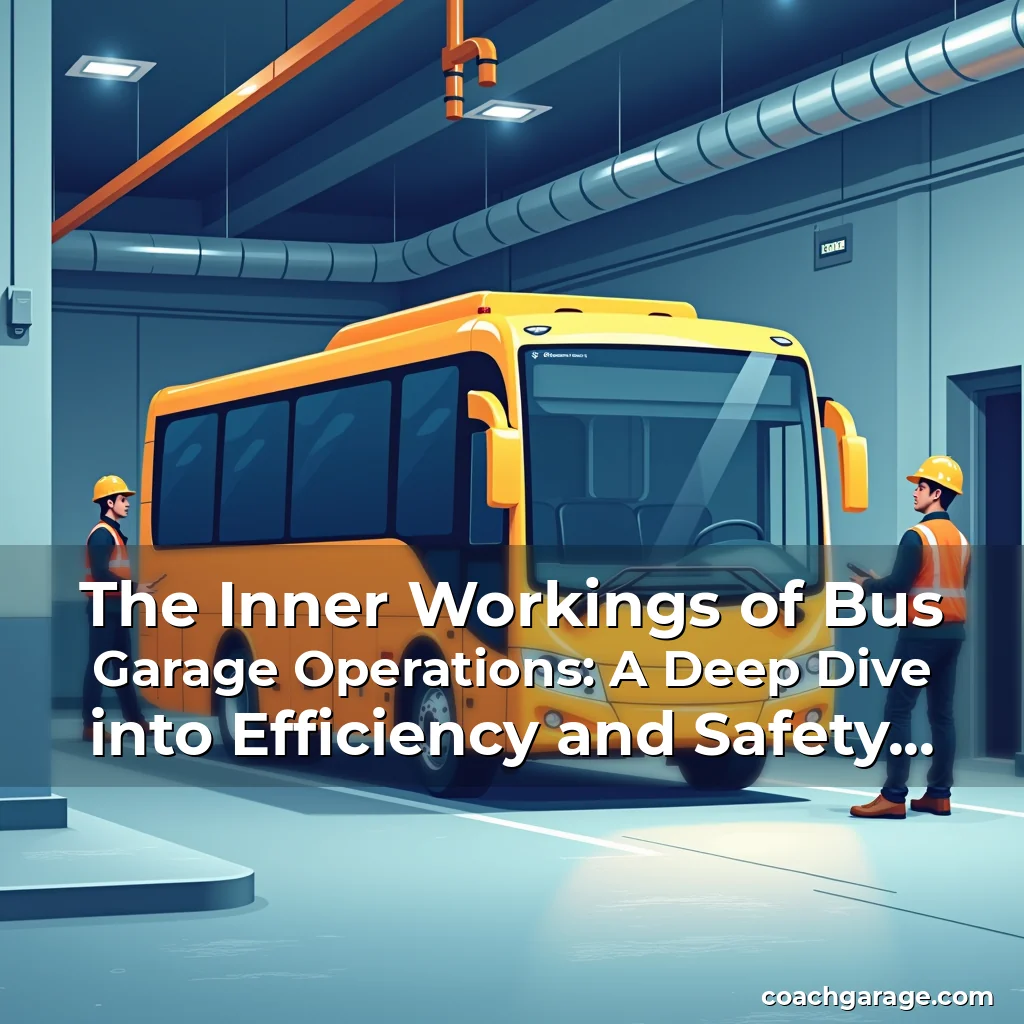
The Inner Workings of Bus Garage Operations: A Deep Dive into Efficiency and Safety Standards
In the bustling world of public transportation, few places operate as seamlessly behind the scenes as the bus garage. These facilities serve as the lifeblood of transit systems worldwide, ensuring that thousands of vehicles are maintained, serviced, and ready for their next journey every day.
From routine maintenance checks to emergency repairs, the daily operations within a bus garage require precision, organization, and adherence to strict safety protocols. Understanding how these spaces function is essential not just for industry professionals but also for commuters who rely on consistent service quality.
Fuel Management Systems in Modern Bus Garages
Fuel management has evolved significantly in recent years due to increasing environmental concerns and operational cost pressures. Today’s bus garages employ advanced digital tracking systems that monitor fuel consumption across fleets in real time.
These systems use GPS data combined with onboard diagnostics to identify inefficiencies such as excessive idling or route deviations. The ability to detect anomalies promptly helps reduce waste while improving overall fleet performance metrics.
- Digital Fuel Monitoring: Real-time tracking enables immediate identification of fuel wastage patterns
- Predictive Analytics: Forecasts potential issues before they lead to costly breakdowns
Modern implementations often integrate with automated refueling stations equipped with sensors that measure volume precisely. This level of accuracy ensures compliance with regulatory requirements regarding emissions standards and fuel taxation.
The integration of IoT devices allows managers to remotely access fuel usage reports from mobile devices. Such capabilities empower informed decision-making at any hour without requiring physical presence inside the facility.
Safety Protocols Governing Daily Operations
Safety remains paramount in all aspects of bus garage activities. Strict guidelines dictate everything from vehicle inspection procedures to employee training programs designed specifically for high-risk environments.
All personnel must undergo regular certification courses covering topics like fire extinguisher operation, first aid response times, and safe lifting techniques when handling heavy components during repairs.
Emergency Response Procedures
Bus garages maintain comprehensive emergency plans tailored to various scenarios including fires, chemical spills, and mechanical failures. Employees are drilled regularly through simulated exercises conducted several times annually.
Data shows that facilities implementing quarterly drills experience up to 40% fewer incidents compared to those conducting annual sessions. This statistic underscores the importance of continuous preparedness initiatives.
Each garage houses clearly marked evacuation routes along with designated assembly points outside the premises where employees can regroup post-emergency situations. Clear signage enhances visibility even under low-light conditions.
In addition to standard safety measures, some progressive operators have adopted wearable technology capable of detecting falls or cardiac events among workers instantly alerting supervisors via centralized monitoring platforms.
Maintenance Scheduling Techniques Used by Industry Leaders
Efficient scheduling forms the backbone of successful bus garage operations. Leading companies utilize predictive maintenance models powered by machine learning algorithms analyzing historical repair records alongside current sensor readings.
This approach enables technicians to prioritize tasks based on actual need rather than fixed intervals, reducing unnecessary downtime while maximizing resource allocation efficiency.
Cloud-based software solutions allow for seamless coordination between dispatchers, mechanics, and parts suppliers. When an issue arises during inspections, relevant parties receive instant notifications directing them towards appropriate action steps.
Some organizations implement tiered maintenance schedules categorizing buses according to mileage thresholds and service history. High-mileage units get scheduled for more frequent checkups ensuring optimal reliability levels remain intact.
Technological Innovations Shaping Future Operations
The advent of electric and hybrid buses presents new challenges and opportunities for modern bus garages. Specialized charging infrastructure requires careful planning considering factors like power grid capacity limitations and peak demand periods.
To accommodate these changes, many facilities are undergoing renovations to install fast-charging stations strategically positioned near high-traffic areas within the compound. This layout minimizes wait times for drivers needing quick turnaround windows.
Smart sensors embedded throughout the garage network provide constant feedback on ambient temperatures affecting battery health. By maintaining ideal operating ranges, longevity of electrical components gets extended considerably.
Voice recognition interfaces integrated into diagnostic tools streamline communication between field staff and back-office teams. This innovation reduces manual input errors commonly associated with traditional reporting methods.
Employee Training Programs Tailored for Operational Excellence
Cultivating skilled workforce through targeted education programs proves vital for sustaining top-tier service delivery. Comprehensive curricula cover both theoretical knowledge and hands-on practical applications required in today’s dynamic environment.
New hires typically complete orientation modules focusing on company policies, safety regulations, and equipment familiarization processes before being assigned to specialized roles matching their aptitudes best.
Ongoing professional development opportunities include workshops addressing emerging trends like autonomous driving technologies and AI-driven diagnostics becoming increasingly prevalent across sectors.
Performance evaluations are conducted periodically using standardized criteria measuring technical proficiency against established benchmarks set forth by national transport authorities overseeing industry standards.
Environmental Sustainability Practices Adopted Within Facilities
With growing emphasis placed upon eco-friendly practices globally, contemporary bus garages incorporate green initiatives aimed at minimizing carbon footprints without compromising functionality needs.
Recycling bins stationed around service bays facilitate separation of materials destined for reuse elsewhere within the organization or external recycling centers processing hazardous substances appropriately.
Water conservation efforts involve installation of low-flow fixtures coupled with greywater recovery systems repurposing runoff from washing stations for non-potable uses like landscape irrigation purposes.
Many leading operators now invest heavily in solar panel arrays mounted atop rooftops generating clean electricity powering lighting systems and climate control mechanisms throughout sprawling complexes.
Community Engagement Strategies Employed by Operators
Building strong relationships with local communities fosters goodwill which translates positively into increased ridership figures over time. Transparent communication channels help address misconceptions surrounding daily operations efficiently.
Open house days invite residents inside facilities offering firsthand glimpses into inner workings making abstract concepts tangible thereby promoting better understanding between stakeholders involved.
Partnerships formed with educational institutions create internship programs exposing students early onto career paths available within transportation sector providing much-needed talent pipeline sources later down line.
Public awareness campaigns highlighting sustainability achievements demonstrate commitment toward responsible stewardship encouraging broader support networks forming organically beyond mere transactional interactions alone.
Challenges Faced During Peak Service Periods
Managing surge capacities during holiday seasons or special event days demands meticulous planning ahead well in advance. Extra shifts may be mandated temporarily until normalcy resumes following busy episodes passively.
Limited space constraints sometimes force creative storage solutions utilizing vertical stacking methodologies wherever feasible maximizing floor area utilization effectively.
Temporary staff augmentation strategies ensure sufficient manpower exists meeting heightened demand expectations preventing delays caused by understaffing issues arising unexpectedly mid-operation cycles.
Rapid deployment kits containing commonly needed replacement items kept readily accessible facilitates quicker resolution times when unexpected breakdowns occur disrupting planned schedules momentarily.
Future Outlook for Bus Garage Infrastructure Development
As urban populations continue expanding rapidly necessitating enhanced mobility options, future infrastructural developments will likely focus on scalability features enabling easy expansion without significant reconfiguration costs incurred.
Modular design principles applied during construction phases offer flexibility allowing additions made incrementally accommodating growth trajectories accurately predicted using demographic modeling forecasts.
Integration of smart city technologies promises interoperability benefits connecting garage systems with broader municipal grids optimizing traffic flow patterns dynamically adjusting departure timings accordingly enhancing passenger experiences substantially.
Investment in cybersecurity frameworks becomes imperative protecting sensitive operational databases from malicious attacks safeguarding critical infrastructure assets entrusted with millions of daily journeys relied upon universally regardless location differences encountered worldwide.
Conclusion
Bus garage operations represent complex ecosystems balancing technological advancements with human capital resources working harmoniously together achieving shared goals centered around reliable public transport services.
By embracing innovative approaches while remaining vigilant regarding evolving industry standards, operators position themselves advantageously navigating ever-changing landscapes successfully delivering exceptional outcomes consistently surpassing expectations continually.