The Role of Bus Dispatching in Modern Transportation Networks
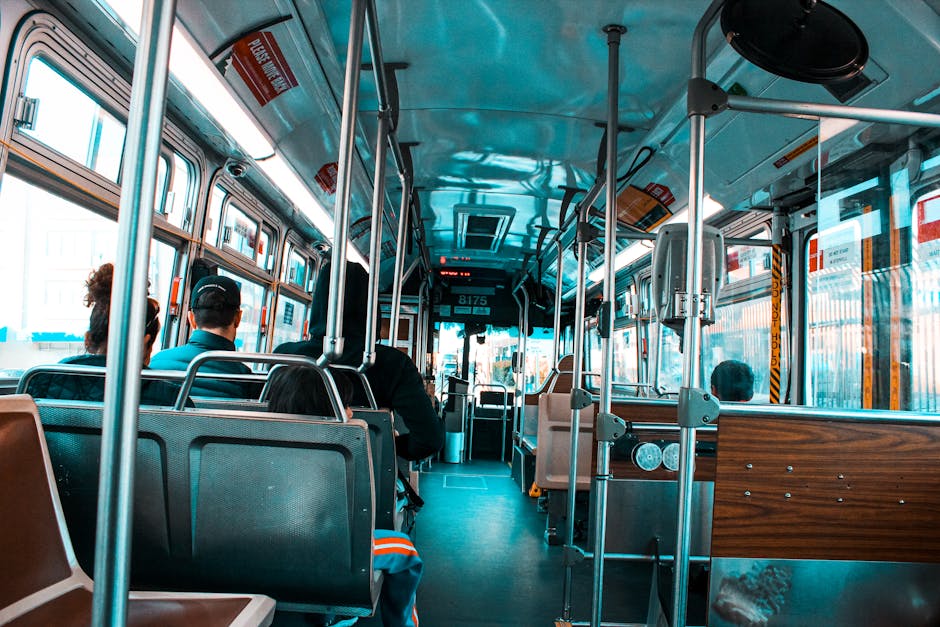
In the heart of every bustling city lies an invisible yet crucial network that keeps transportation flowing seamlessly—the world of bus dispatching. This complex system ensures millions of passengers reach their destinations safely and efficiently each day.
Bus dispatchers are the unsung heroes behind public transit operations, orchestrating schedules, managing crews, and responding to real-time disruptions. Their work impacts everything from daily commutes to emergency evacuations.
The Evolution of Bus Dispatching Systems
The origins of modern bus dispatching trace back to early 20th-century urbanization when cities began expanding beyond walking distance. Early systems relied heavily on manual scheduling and radio communication between drivers and central control rooms.
With the advent of computer technology in the 1980s, dispatching evolved significantly. Digital tracking systems allowed operators to monitor vehicle locations in real time, revolutionizing route optimization and passenger information services.
- Manual Era: Paper-based schedules required constant updates through phone calls and physical boards at depots
- Digital Revolution: GPS integration enabled precise location tracking and automated route adjustments based on traffic patterns
Today’s advanced dispatch systems combine artificial intelligence with predictive analytics to anticipate delays before they occur. Machine learning algorithms analyze historical data to create more efficient routing strategies while minimizing fuel consumption.
Critical Components of Effective Bus Dispatching
A successful dispatch operation relies on three fundamental pillars: accurate timetabling, crew management, and real-time monitoring capabilities. These elements must work in harmony to ensure reliable service delivery across diverse operational environments.
Sophisticated software platforms serve as the backbone of contemporary dispatch centers. They integrate data from various sources including traffic sensors, weather forecasts, and passenger demand patterns to make informed decisions quickly.
Timetabling Challenges in Modern Transit Networks
Creating optimal bus schedules requires balancing numerous competing factors such as peak hour congestion, road infrastructure limitations, and changing rider demographics. A single misaligned timetable can cause cascading delays throughout an entire route network.
Data-driven approaches have transformed traditional timetabling methods. Predictive modeling techniques allow planners to simulate different scenarios and choose the most effective schedule configuration before implementation.
The Role of Technology in Modern Dispatch Operations
Smartphone apps and digital signage have fundamentally changed how passengers interact with public transport systems. Real-time arrival predictions provide travelers with greater flexibility in planning their journeys.
Vehicles equipped with telematics devices transmit critical performance metrics continuously. This includes engine diagnostics, fuel efficiency levels, and maintenance alerts—information vital for proactive fleet management.
- Telematics Integration: Enables remote diagnostics and predictive maintenance scheduling
- Fleet Management Software: Centralizes vehicle tracking, fuel usage analysis, and driver performance evaluations
Cloud computing has further enhanced dispatch capabilities by enabling seamless data sharing between different departments within transit authorities. This interconnectedness improves response times during emergencies or unexpected service changes.
Challenges Facing Contemporary Bus Dispatchers
Urban growth presents new challenges for dispatchers who must constantly adapt to evolving infrastructure needs. Expanding populations require increased service frequency without compromising existing routes’ reliability.
Labor shortages pose another significant challenge. Attracting qualified personnel is becoming increasingly difficult due to the demanding nature of the job combined with competitive wages offered by private sector employers.
Environmental concerns also impact dispatch operations. Rising fuel costs and stricter emissions regulations necessitate innovative solutions for reducing carbon footprints while maintaining service quality standards.
Best Practices for Efficient Bus Scheduling
Implementing dynamic scheduling models allows dispatchers to adjust routes in response to real-time conditions rather than relying solely on static timetables. This approach enhances overall service reliability and customer satisfaction.
Prioritizing regular staff training programs helps maintain high service standards. Well-trained dispatchers can handle complex situations more effectively and contribute positively to workplace morale.
- Maintaining Flexibility: Allowing some buffer time between scheduled departures accommodates unforeseen delays gracefully
- Encouraging Feedback Loops: Implementing channels for driver input ensures practical considerations influence scheduling decisions
Continuous improvement cycles involving stakeholder feedback help refine processes over time. Regular audits of operational procedures identify areas needing enhancement systematically.
Future Trends Shaping Bus Dispatching
The emergence of autonomous vehicles promises transformative changes for public transportation sectors worldwide. Self-driving buses could potentially reduce staffing requirements and increase service availability around-the-clock.
Artificial intelligence applications continue expanding into dispatch functions. From automated incident detection to intelligent rerouting suggestions, AI technologies enhance decision-making speed and accuracy considerably.
Blockchain innovations may soon play a role in secure data exchange between transit agencies and third-party vendors involved in maintenance contracts or ticketing systems.
Measuring Success in Bus Dispatch Operations
Evaluating key performance indicators provides valuable insights into the effectiveness of dispatch strategies. Metrics such as on-time departure rates, average waiting times, and passenger complaint ratios offer quantitative measures of success.
Customer surveys complement these statistical analyses by capturing qualitative feedback regarding perceived service quality. Combining both types of data creates a well-rounded understanding of operational strengths and weaknesses.
Regular benchmarking against industry standards helps identify opportunities for improvement proactively. Comparisons with peer organizations highlight best practices worth adopting locally.
Conclusion
Bus dispatching remains a cornerstone of modern urban mobility, combining human expertise with cutting-edge technology to deliver reliable public transport services.
By embracing innovation while maintaining core principles of safety and accessibility, transit professionals can ensure sustainable development of transportation networks that meet future demands effectively.